Marking the 80th anniversary of the brutal massacre in Nanjing by Japanese invaders during WWⅡ, Jiangsu Broadcasting Corporation and A + E Networks in the US have co-produced a one-hour docu-drama The Scars of Nanking: the brave who stayed behind.

Poster of The Scars of Nanking: the brave who stayed behind
This documentary that was co-produced by China and the US didn’t apply the traditional mode of the massacre genre. It simply tells the stories witnessed by dozens of foreigners who stayed in Nanjing during the brutal massacre and protected local citizens in any possible ways.
It is the first time that the Massacre has been shot in westerners’ perspectives. And it is also the first time that Nanking Massacre has been presented on the screen of western mainstream media. More audiences in the world will know what happened 80 years ago in Nanjing through this documentary.
Today, we introduce you another excerpt of the U.S. version of The Scars of Nanking.
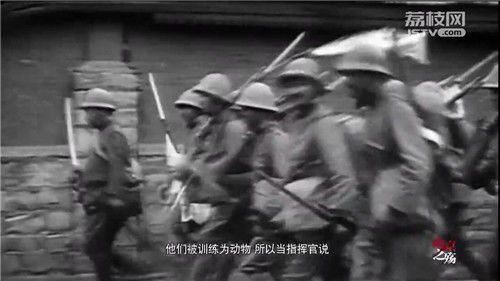
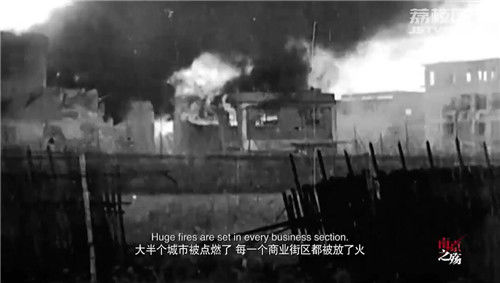
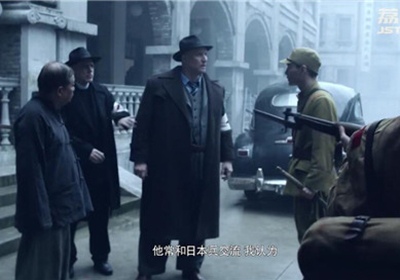
The Japanese troops occupied Nanjing in 1937. Following the occupation is the endless looting, burning, raping and killing. “They were like animals. They were trained as animals so when the commander says kill all of them, don’t care, men, women, children, burn.” Over half of Nanjing was burn into flames and corpses were everywhere.
More than 20 foreigners set a safety zone and protected over 250, 000 civilians. With more refugees coming in, the living condition inside the safety zone became worse and worse. The space became more crowded; the sanitary situation became less and less satisfactory; and getting enough food for everyone was more and more difficult.
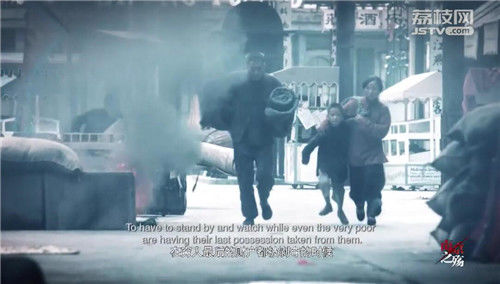
Members of the International Committee for Nanking Safety Zone visited the Japanese Embassy every day and presented their protests and requests. But for quite a long time, the Japanese Embassy still acquiesced to the soldiers’ violent behaviors.
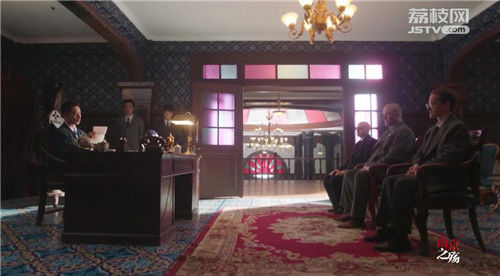
The Committee then kept reporting the Massacre to the US government and asked for attention. But the US government didn’t take any measures to stop Japan. And Japanese Embassy even told the public that the protest were just imaginations of western diplomats.
The Japan asked civilians to register for “Good Citizen Paper” in December, 1937. Then, it forced all Chinese to leave the Safety Zone and go back home in January, 1938. However, the killing did not stop.
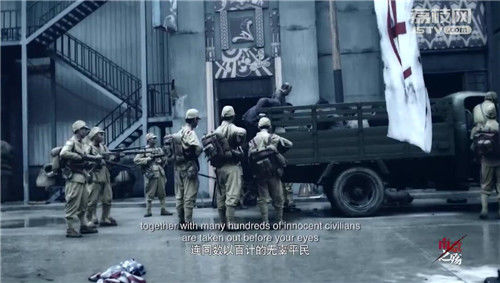
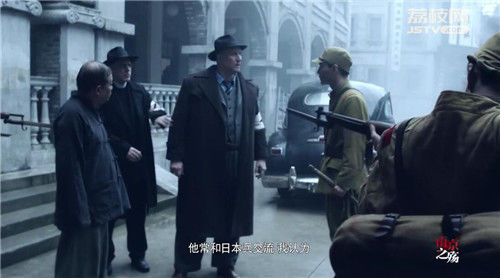
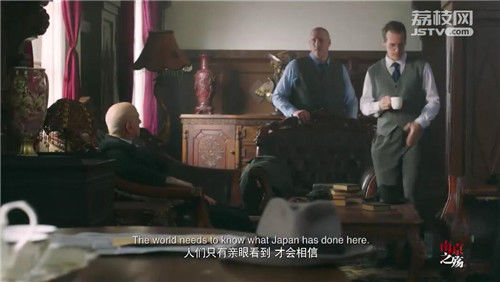
“People will only believe it if they see it with their own eyes. We need to get Father Magee’s film out of here and back to the West.” The Japanese didn’t allow foreigners to leave Nanjing because they knew too much about Japan’s dirty deeds. But those foreigners have been resisting and finding new ways…