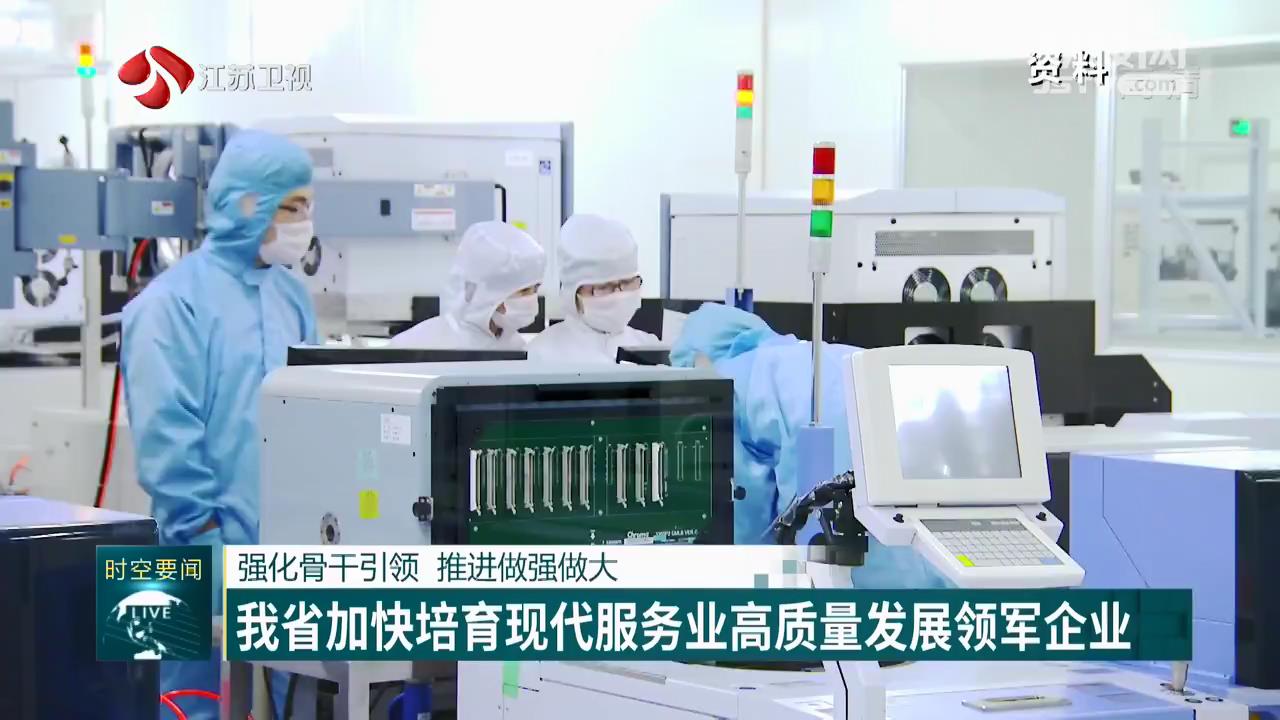
East China’s Jiangsu province has spared no efforts to accelerate the cultivation of leading enterprises in the modern service industry to promote high-quality development. Let’s take a close look.
The development of modern service industry can provide diversified, differentiated and convenient service types for people’s lives and public services.
Jiangsu has expanded and cultivated a number of modern service industry clusters before the release of this implementation plan which focuses on cultivating leading companies.
The plan will cultivate about 300 leading companies in science and technology services, software and information, finance, health, elderly care, sports, energy conservation and environmental protection, artificial intelligence and other fields.
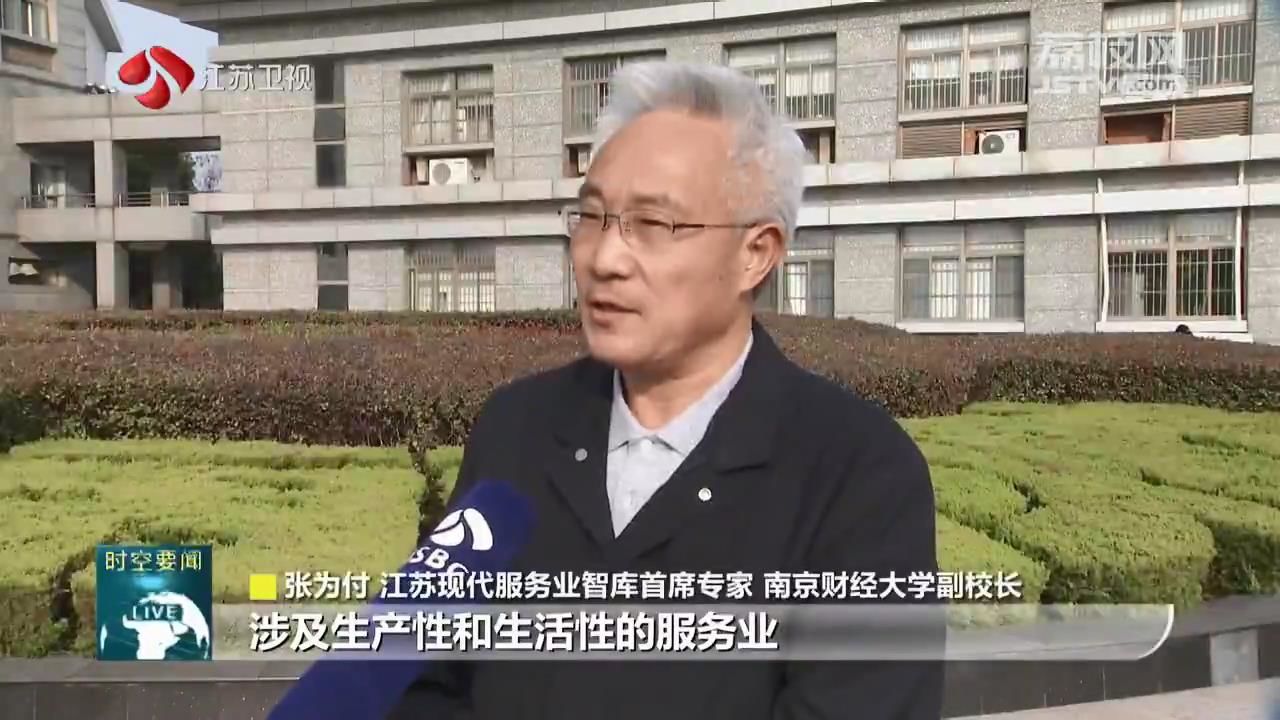
Zhang Weifu, Chief Expert of Jiangsu Modern Service Industry Think Tank, Vice President of Nanjing University of Finance and Economics
The plan involves productive and
living service industries
and has a certain scale
driving and leading role
after long-term development
The cultivation of leading enterprises
refers to the cultivation
of exemplary enterprises
in terms of human resources and
factor deployment
that has a huge effect
on stabilizing and expanding social employment
For the enterprise itself, they have to work hard with technology investment, major projects, the entire industrial chain and element support if they want to become a leading enterprise.
Jiangsu supports science and technology growth companies to increase the proportion of R&D investment, and raise funds through IPOs on the Science and Technology Innovation Board, ChiNext Board, and New Third Board.
The province also encourages enterprises to rely on state-level carriers such as the Jiangsu Pilot Free Trade Zone to actively integrate into the national strategy, improve the quality and level of foreign capital utilization, and build their own brands.
In addition to providing various tax incentives, the government also provides specific financial support to enterprises through various methods such as equity investment, loan interest discounts, and project subsidies.
In addition, the government also makes full use of universities such as Peking University and Tsinghua University to regularly organize and carry out modern service industry talent training.