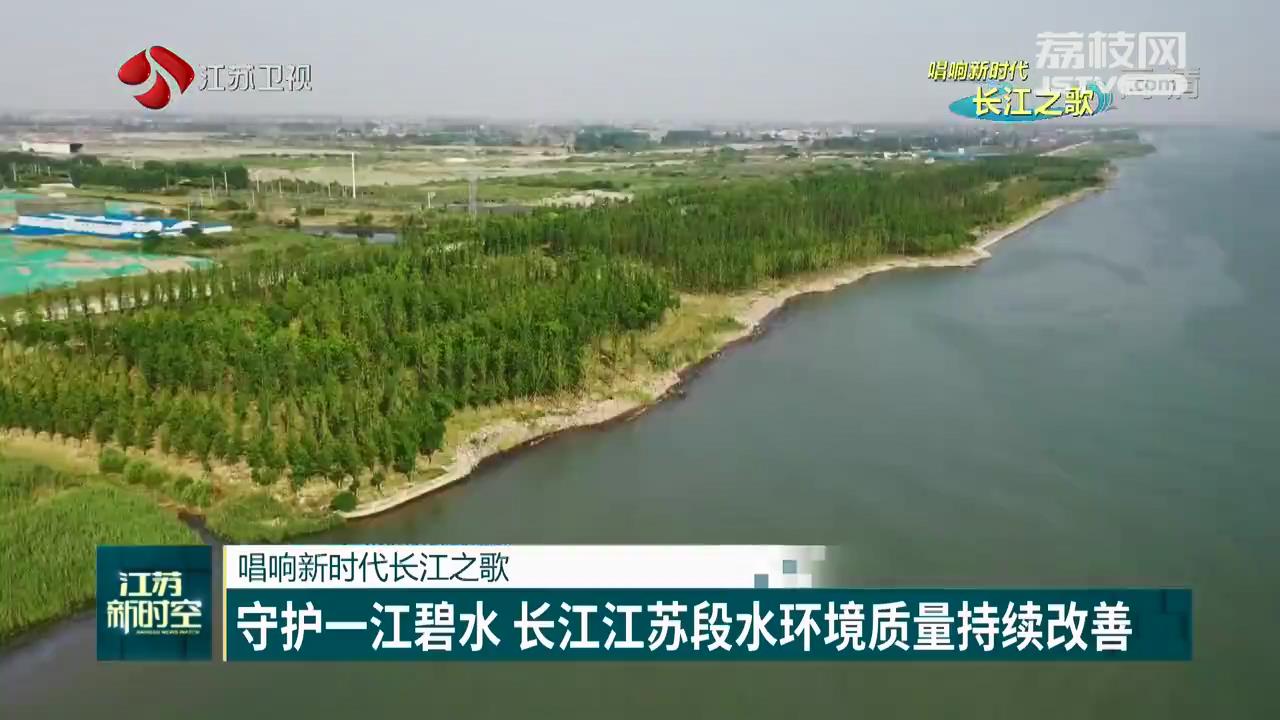
East China’s Jiangsu province has given full play to ecological conservation in recent years by restoring and repairing the ecological landscape along the Yangtze River so as to rev up economic transformation and upgrading and high-quality development of the regional economy.
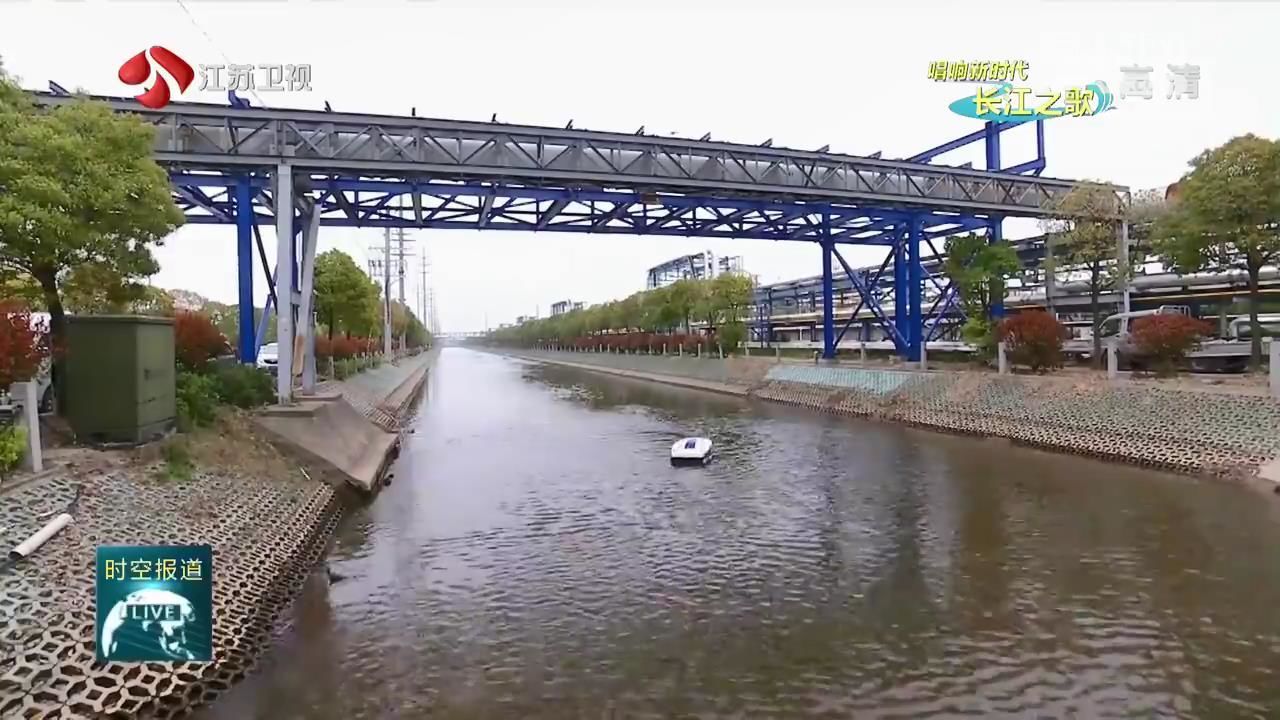
The mobile phone QR code can check in real time whether the water quality of the outlets of enterprises along the Yangtze River exceeds the standard.
UAVs equipped with infrared and other equipment make fixed-point cruises every day. Once the water quality is abnormal, the unmanned ship will automatically collect samples for inspection.
The 5G smart camera equipped with AI chips and installed on the 40-meter iron tower has become the electronic fence of the water source protection area.
As the "most powerful brain" for protecting the Yangtze River, the "Healthy Yangtze River Taizhou Action" big data platform has integrated 144 million pieces of data from multiple departments such as the ecological environment, housing construction, and transportation.
A three-dimensional monitoring network has been set up in the Taizhou section of the Yangtze River. The primary goal first task is to make comprehensive survey on the pollution sources along the Yangtze River. At the end of 2018, Taizhou took the lead in the country to launch "Yangtze River Health Examination" along its 97.8-kilometer shoreline.
In the meantime, Taizhou has carried out investigation, monitoring and traceability of 1,249 sewage outlets along the Yangtze.
Through the integration of multi-departmental big data platforms, the local authorities have basically achieved full coverage of data, monitoring, analysis and management of the ecological environment along the Yangtze.
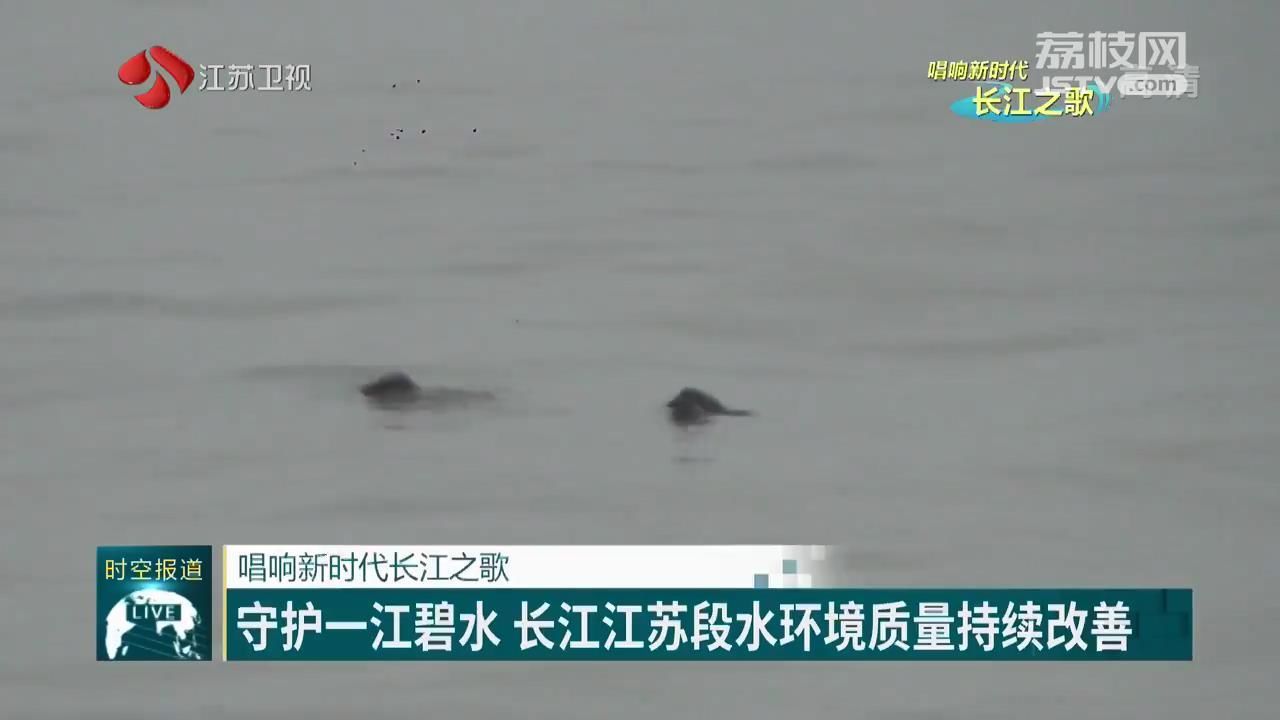
With more than half of the shoreline of the Taizhou section of the Yangtze River prohibited from industrial and agricultural development, Taizhou has reported improving water quality in the Yangtze and the scene of the finless porpoise playing in the water has resumed to become a feast for people’s eyes.
In recent years, Jiangsu has relied on science and technology to improve the water quality of its tributaries to the Yangtze River.
By using ultrafiltration membrane technology, Nanjing Jiangbei New Area has cleaned up a river leading into the Yangtze through the adsorption and decomposition functions of organic membranes to fully degrade various pollutants in the water. The COD concentration in the water has also dropped from the previous 100mg/L to 4mg/L, reaching the landscape water standard.
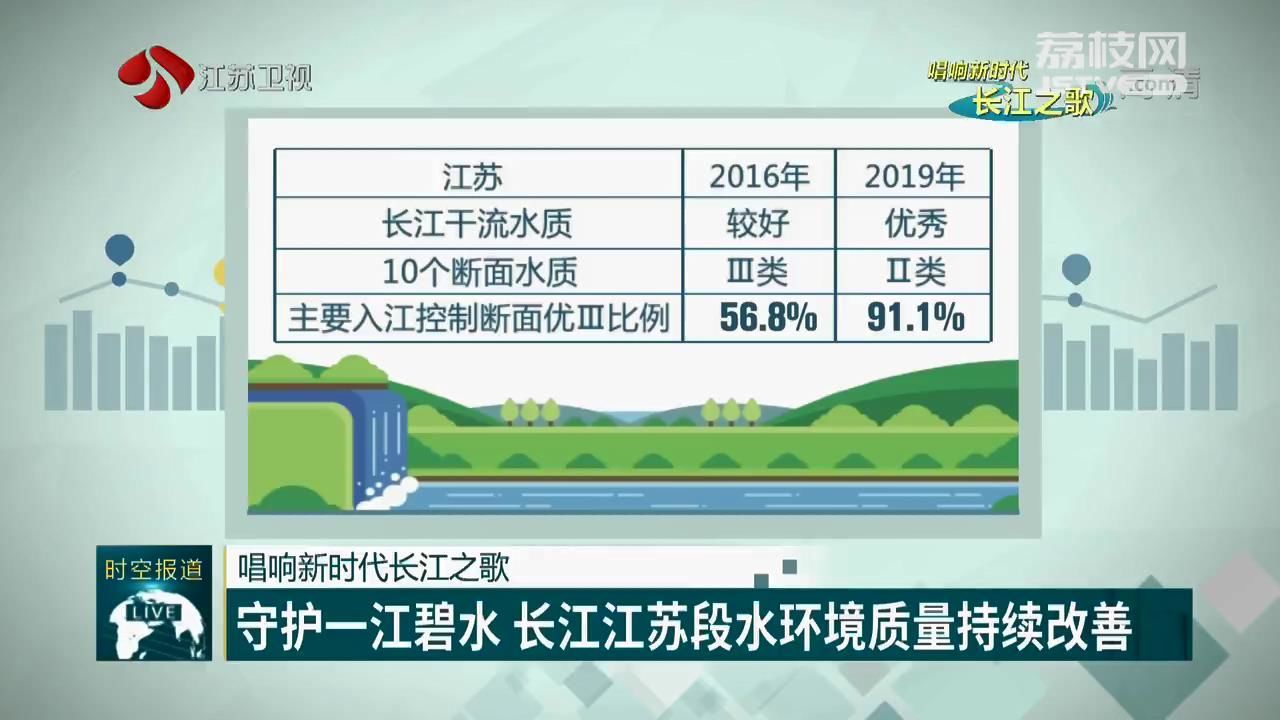
Through multi-pronged measures, Jiangsu has made remarkable progress in the improvement of the water quality in the Yangtze River with ten segments measuring up to Grade II standards and 91.1% of the water in 45 tributaries meeting the standards.
(Source:ourjiangsu.com)