
Qiu Qingnian
Master of Arts and crafts from Jiangsu Province
The Inheritor of Intangible Cultural Heritage in Jiangsu Province
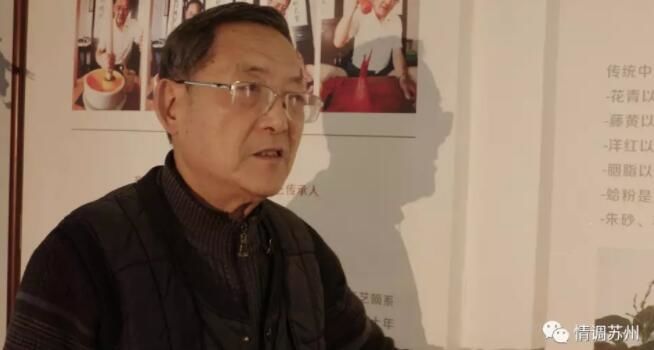
The Inheritor of Traditional Chinese Painting Pigment Making TechnologyRecently, many TV audiences get familiar with the name Qiu Qingnian, a master of arts and crafts from Jiangsu province from a variety show. In this show, Qiu showed the audiences how many shades and how many colors of pigments he’s applied trying to reproduce a historical masterpiece Boundless panorama of landscape by Wang Ximeng in the northern Song dynasty.
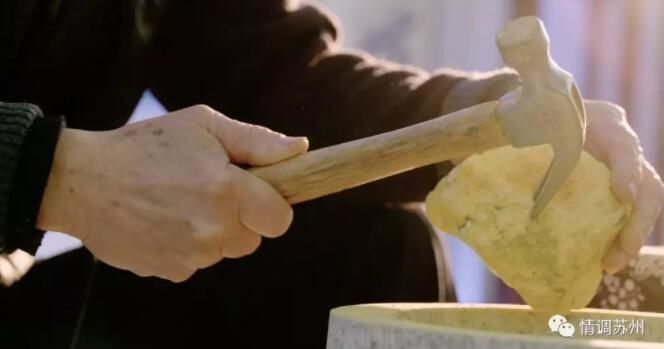
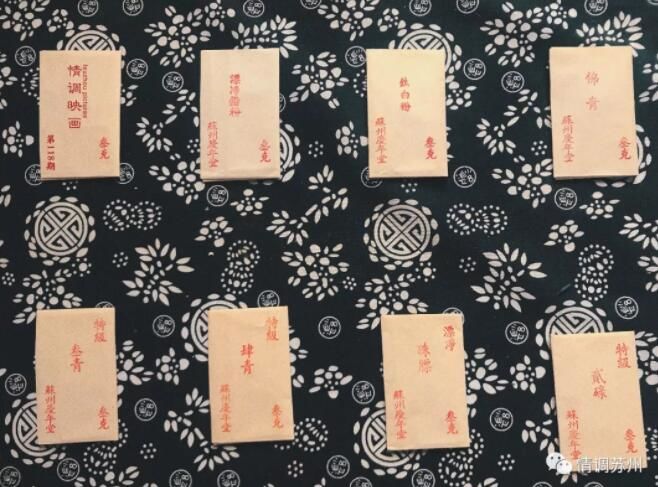
Most traditional Chinese pigments come from ores. They need to go through a complex series of steps, such as smashing, sifting, sieving, sorting, mixing, grinding, etc. Just one seemingly easy step like grinding would take 8 hours a day, and 30 days a month. Qiu has devoted more than 50 years of his life to this profession.
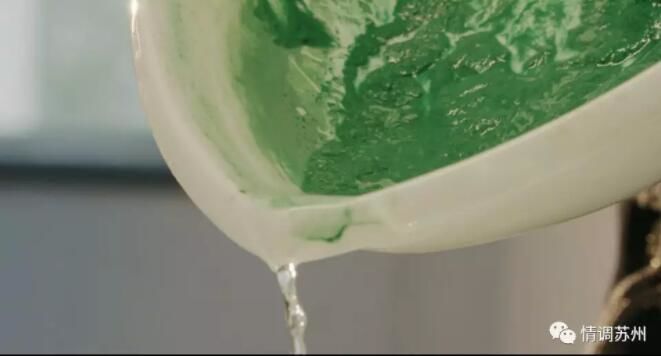
It takes time and efforts to finish a work of art. To Qiu Qingnian, the delicate shades of traditional colors are not artificial, but borrowed from nature and then returned to the "nature" in the paintings. This is the real Chinese art.
For hundreds of years, the raw materials of natural minerals, plants and animals have become increasingly scarce." This is the problem that keeps Qiu worried; meanwhile, it also makes his craft more difficult to pass on and retain.
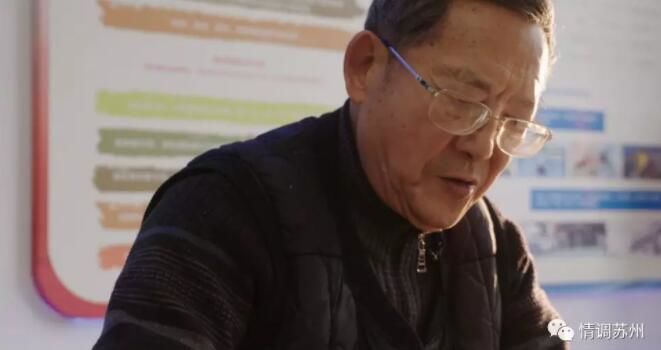
Nowadays, when Qiu is winning more fame, masters of Chinese paintings have come from all over the country looking for more natural and delicate colors. His hand-made paints are used for paintings and restoration of antiquities. For example, the National Palace Museum looked for help to restore the Riverside Scene at Qingming Festival; even the British Empire Museum sought help from Qiu.
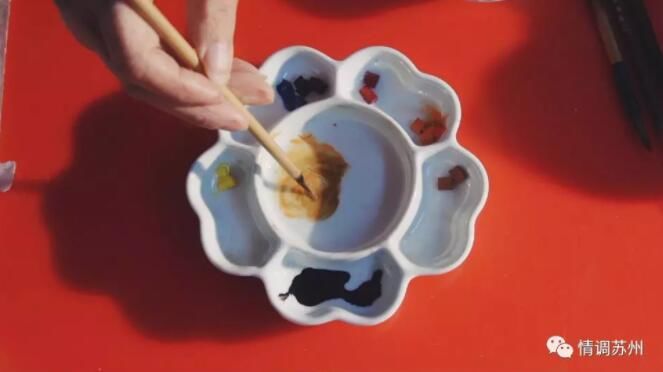
Devoted 50 years, Qiu spends his life on the research of pigments that would never fade away.